Road Scanning: The Secret to Defensive Driving
Almost every driver has had that sick split second where traffic stops, a car pulls out, or a pedestrian steps off the curb, and you think, “I noticed that way too late.” The difference between a close call and a calm slowdown is rarely luck. It’s how far ahead you look, how often your eyes move, and how much space you keep around your car.
Those are defensive driving practices, and road scanning is one of them.
For new teen drivers, those skills matter even more. Crash risk is usually highest in the first year of solo driving, according to data from the Centers for Disease Control (CDC), and many “didn’t see it in time” moments start as ordinary situations, not wild speeding.
This article is general education about vehicle operations, not a replacement for your state handbook or examiner instructions, but it gives you a practical framework.
By the end, you’ll understand why careful drivers still get surprised, what real defensive scanning looks like, how to adapt it to different roads, and how to help your teen turn it into an everyday habit.
What Is Road Scanning in Defensive Driving?
Road scanning is one of the most important defensive driving techniques every new driver must learn. It means constantly observing your surroundings: looking ahead, checking mirrors, watching for hazards, and staying aware of everything happening around your vehicle.
Instead of focusing only on what’s directly in front of you, road scanning helps drivers build situational awareness, allowing them to anticipate risks before they turn into emergencies.
A skilled defensive driver is always scanning for traffic signals, stop signs, pedestrians, and sudden changes in road conditions.
This habit is especially important for teen drivers who are still developing their ability to react quickly. By improving your eye lead time, how far ahead you look, you give yourself more time to respond safely using your brakes, steering, or other preventive actions.
Effective road scanning includes:
- Checking your rearview mirror and side mirrors frequently
- Watching for blind spots when lane changing
- Identifying potential road hazards like debris, flooding, or animal crossings
- Monitoring traffic lights, red lights, and turn signals from other drivers
At its core, road scanning transforms driving from a reactive activity into a proactive one, reducing the risk of a collision and helping you stay in control of your vehicle at all times.
Why Road Scanning Is the #1 Skill for Preventing Accidents
Most accidents don’t happen because drivers don’t know the rules.
They happen because drivers fail to see danger early enough. According to organizations like the National Safety Council, a lack of awareness and delayed reaction time are major contributors to collisions and traffic rule violations.
Road scanning directly solves this problem.
When drivers actively scan the road, they can detect hazards such as:
- Sudden stops in traffic
- Pedestrians entering intersections
- Vehicles running a red light
- Trucks making wide turns
- Debris or poor road conditions during rain or storms
This early detection gives you crucial seconds to react, whether that means adjusting your speed, increasing your following distance, or preparing your brakes for a safe maneuver.
For teen drivers, this skill can dramatically reduce the risk of an accident.
Here’s why road scanning is so powerful:
- It increases reaction time in emergencies
- It helps maintain a safe cushion distance around your vehicle
- It reduces the likelihood of rear-end collisions
- It supports smarter decisions at intersections and during lane changes
In short, road scanning is not just another driving tip, but the foundation of vehicle safety and one of the most effective ways to prevent a car accident before it happens.
The 5-Step Road Scanning Technique Every Driver Should Learn
Mastering road scanning requires consistent practice and the right approach. The following five-step method is used in many defensive driving courses and helps drivers build strong habits that improve safety in all types of traffic and road conditions.
1. Look 12–15 Seconds Ahead
Always keep your eyes moving far down the road. This increases your eye lead time and helps you spot potential hazards early, such as traffic breaks, stop signs, or vehicles slowing near intersections.
Looking ahead allows you to anticipate changes in traffic flow and avoid sudden braking that could lead to a collision.
2. Check Your Mirrors Every 5–8 Seconds
Your mirrors are essential tools for maintaining awareness. Regularly check your rearview mirror and side mirrors to monitor vehicles behind and beside you.
This habit helps you:
- Prepare for lane changing safely
- Avoid collisions with fast-approaching vehicles
- Stay aware of trucks or drivers in your blind spots
Consistent mirror use is a key part of defensive driving training and helps create a full picture of your surroundings.
3. Watch for Blind Spots
Blind spots are why “be aware of your surroundings” became the key driving principle taught at every driving school. Blind spots are areas around your vehicle that mirrors can’t fully cover. Before making any move, especially a lane change, quickly check over your shoulder.
Failing to check blind spots is one of the leading causes of accidents among new drivers. A quick glance can prevent serious collisions and costly traffic citations.
4. Scan Intersections Carefully
Intersections are one of the most dangerous areas on the road. Always look left, right, and left again before proceeding, even when you have a green light.
Be alert for:
- Drivers running a red light
- Pedestrians crossing unexpectedly
- Vehicles ignoring traffic signals or stop signs
This extra caution can prevent serious accidents and protect everyone on the road.
5. Identify Escape Routes
A defensive driver always has a backup plan. While scanning, identify open spaces around your vehicle where you can move in case of emergencies.
Maintaining a safe cushion distance gives you room to react if:
- A driver suddenly brakes
- Road hazards appear
- Weather conditions like rain or gusting winds affect control
Having an escape route is one of the most advanced defensive techniques and can make the difference between a near-miss and a collision.
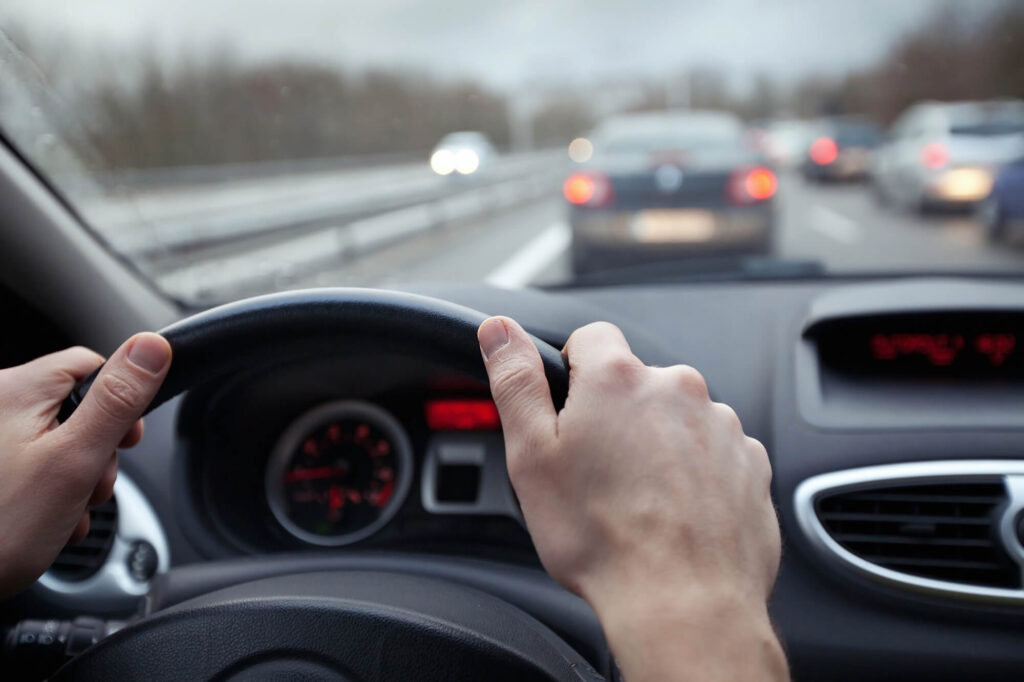
Defensive Driving Tips That Work With Road Scanning
Road scanning becomes even more powerful when combined with proven defensive driving tips. These habits work together to improve safety, reduce accident risk, and help drivers stay in control of their vehicle in both normal and adverse driving conditions.
Maintain Proper Following Distance
Keeping a safe following distance is essential for preventing rear-end collisions. The three-second rule, widely recommended by driver’s manuals in most states, gives you enough time to react if the vehicle ahead suddenly brakes.
In poor road conditions, such as rain, flooding, or debris, you should increase that distance even further. This added cushion distance helps prevent hydroplaning and gives your anti-lock braking system more time to work effectively.
Control Your Speed and Obey Speed Limits
Speed directly affects your ability to react to hazards. Driving too fast reduces your reaction time and increases the severity of a collision.
Always follow posted speed limits and adjust based on:
- Traffic flow
- Weather conditions like storms or gusting winds
- Visibility issues requiring headlights or high-beam headlights
A defensive driver understands that safe driving is about control, not speed.
Use Turn Signals and Headlights Properly
Clear communication is a critical part of defensive driving. Using your turn signals early helps other drivers anticipate your actions, especially during lane changing or at intersections.
Headlights improve visibility and make your vehicle more noticeable to others. In low-light or adverse conditions on roads with scarce traffic, using high-beam headlights can significantly reduce accident risk.
However, high-beam headlights can be a double-edged sword. They are a risk for drivers coming from the opposite direction on curves at night or just ahead of you on dark roads, especially newer LED high-beams that can practically blind other drivers. It’s preferable to use low-beam headlights while driving at night and surrounded by other vehicles.
Be mindful of how your headlights also affect others.
And, don’t forget:
- Use emergency flashers during breakdowns or emergencies
- Signal well before making a turn or a safe maneuver
Anticipate Other Drivers’ Mistakes
Not all drivers follow traffic laws. Some may ignore traffic signals, run a red light, or commit traffic rule violations.
A defensive driver expects these mistakes and prepares for them.
Defensive driving training emphasizes this principle because it turns uncertainty into preparedness.
Common Mistakes New Teen Drivers Make When Scanning the Road
Even with the best intentions, new drivers often develop habits that increase accident risk. Recognizing these mistakes early can help prevent costly collisions, traffic citations, and rising insurance rates.
Tunnel Vision
Many teen drivers focus only on what’s directly ahead, ignoring mirrors, blind spots, and surrounding traffic. This limits situational awareness and increases the chance of missing hazards like pedestrians or sudden stops.
Not Checking Mirrors Enough
Failing to regularly check your rearview mirror and side mirrors means losing awareness of nearby vehicles. This can lead to unsafe lane changing, missed traffic breaks, or collisions with fast-approaching drivers.
Delayed Reactions
Without proper road scanning, drivers often react too late, slamming the brakes instead of taking smooth, preventive actions. Late reactions are a leading cause of rear-end collisions and brake failure-related incidents.
Ignoring Road Conditions
New drivers sometimes overlook changing road conditions such as rain, debris, flooding, or gusting winds. These factors can affect tire traction, braking distance, and overall vehicle safety.
Driving While Distracted
Distractions, like phones or passengers, reduce focus and scanning ability. Even a few seconds of inattention to another vehicle’s behavior half a mile away can lead to a serious accident, medical expenses, or worse.
Real-Life Scenarios Where Road Scanning Prevents Collisions
Understanding road scanning is one thing, but seeing how it works in real life is what makes it stick. Here are common situations where proper scanning and defensive driving techniques can prevent a collision.
Scenario 1: Approaching a Busy Intersection
You’re driving toward an intersection with a green light. A quick scan shows a vehicle approaching from the side at high speed.
Because you’re actively scanning:
- You notice the driver may run the red light
- You ease off the accelerator and prepare your brakes
- You avoid a potential accident before it happens
Without scanning, this situation could easily result in a serious collision.
Scenario 2: Highway Lane Changing Near Trucks
You’re preparing for lane changing on a highway with heavy traffic, including large trucks.
By checking your mirrors and blind spots:
- You spot a vehicle hidden beside you
- You delay your move and maintain a safe cushion distance
- You avoid a dangerous sideswipe collision
This is where situational awareness and proper mirror use are critical for safe maneuvers.
Scenario 3: Sudden Stop in Traffic
Traffic ahead suddenly slows due to congestion or a traffic break.
Because you’ve been scanning 12–15 seconds ahead:
- You notice brake lights early
- You gradually reduce speed instead of slamming the brakes
- You prevent a rear-end collision and keep control of your vehicle
Maintaining proper following distances makes this even safer.
Scenario 4: Pedestrian Crossing Unexpectedly
While driving in a residential area, a pedestrian steps into the road near a stop sign.
With effective scanning:
- You spot movement near the sidewalk
- You slow down before reaching the crossing
- You safely stop without risking an accident
Scenario 5: Driving in Adverse or Bad Weather Conditions
You’re driving during adverse weather with poor visibility and slippery road conditions.
By adjusting your scanning and defensive driving habits:
- You increase the following distance
- You watch for flooding, debris, or hydroplaning risks
- You use fog headlights for better visibility
- You prepare for emergencies like sudden stops or loss of traction
- You turn on the hazard lights to signal to the cars behind you that your speed is slower than usual
These preventive actions reduce the risk of losing control and help maintain vehicle safety even in challenging environments.
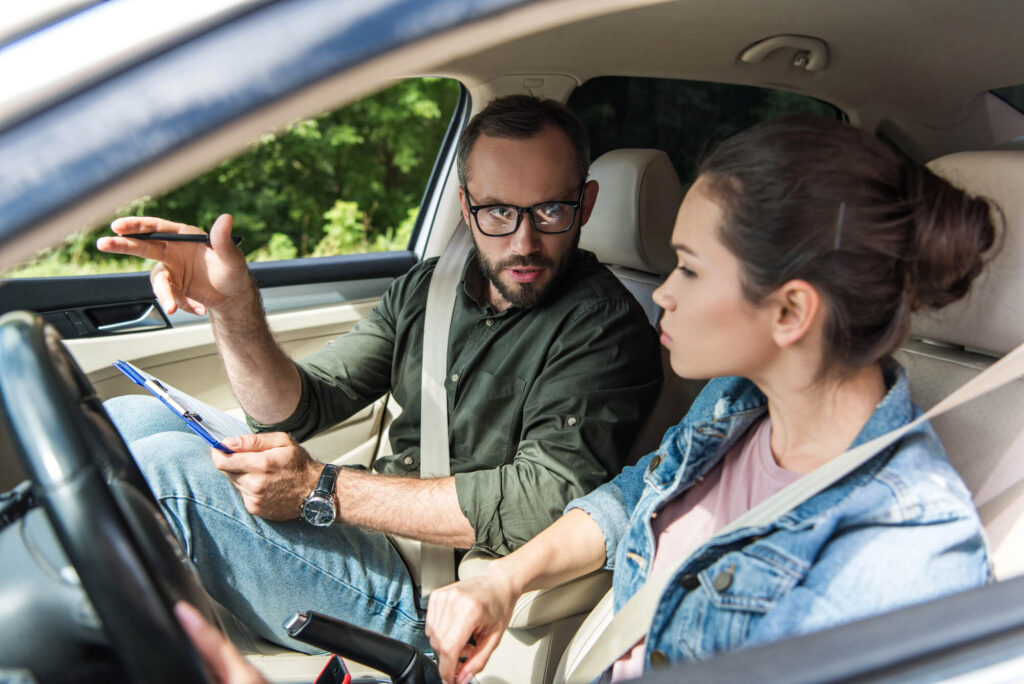
How Jungle Driving School Teaches Real-World Road Scanning
At Jungle Driving School, road scanning is trained through real-world application. Their proprietary method, “The Jungle Way,” focuses on preparing drivers for unpredictable environments, much like navigating a dynamic ecosystem.
Instead of memorizing rules alone, students develop practical defensive driving skills that improve awareness, confidence, and long-term safety.
Focus on Vision and Perception
Students are trained to improve their eye lead time and scanning habits, helping them identify hazards early and make smarter decisions behind the wheel.
Emphasis on Space Management
Maintaining proper following distance and cushion distance is a core part of the program. This ensures drivers always have room to react safely in traffic or emergencies.
Proven Safety Outcomes
Jungle Driving School’s approach has been shown to significantly reduce accident rates among new drivers. Students not only learn to pass their driving test but also develop lifelong defensive driving habits that improve safety and reduce auto insurance costs.
Become a Defensive Driver for Life
Road scanning is a mindset, and when combined with other strong defensive driving practices and habits, it transforms how drivers approach the road.
By consistently applying these defensive driving tips, you can:
- Reduce your risk of an accident or collision
- Improve your confidence behind the wheel
- Lower long-term costs, like auto insurance and potential medical expenses
- Avoid traffic rules violations and unnecessary traffic citations
For teen drivers especially, building these habits early can make a lifelong difference. Driving gets you from one place to another, yes, but it depends on staying safe, protecting others, and making smart decisions in unpredictable situations.
At Jungle Driving School, students learn how to think like a defensive driver. Through real-world training, expert instruction, and a focus on awareness and prevention, drivers gain the skills needed to handle anything the road throws at them.
If you’re ready to build safer driving habits, improve your situational awareness, and gain real confidence behind the wheel, enrolling in a Jungle Driving School course could be your next step.
Because the safest drivers are the ones who see everything coming, not those who react the fastest.
from Jungle Driving School https://ift.tt/r7dHb2u
via IFTTT


Comments
Post a Comment